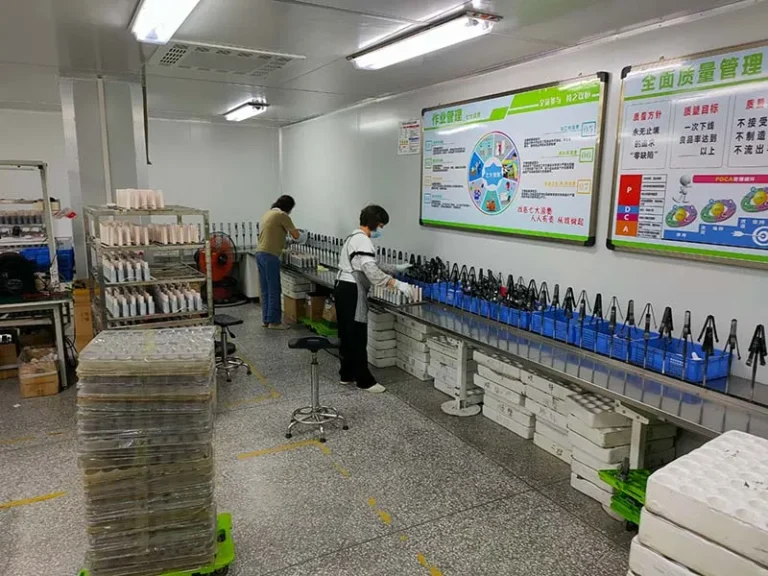
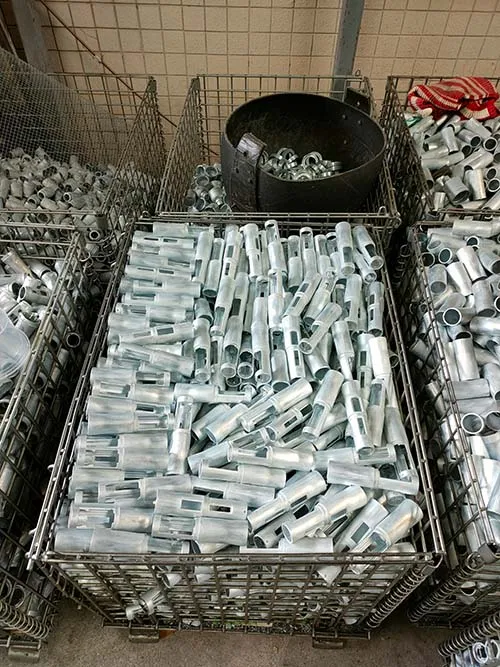
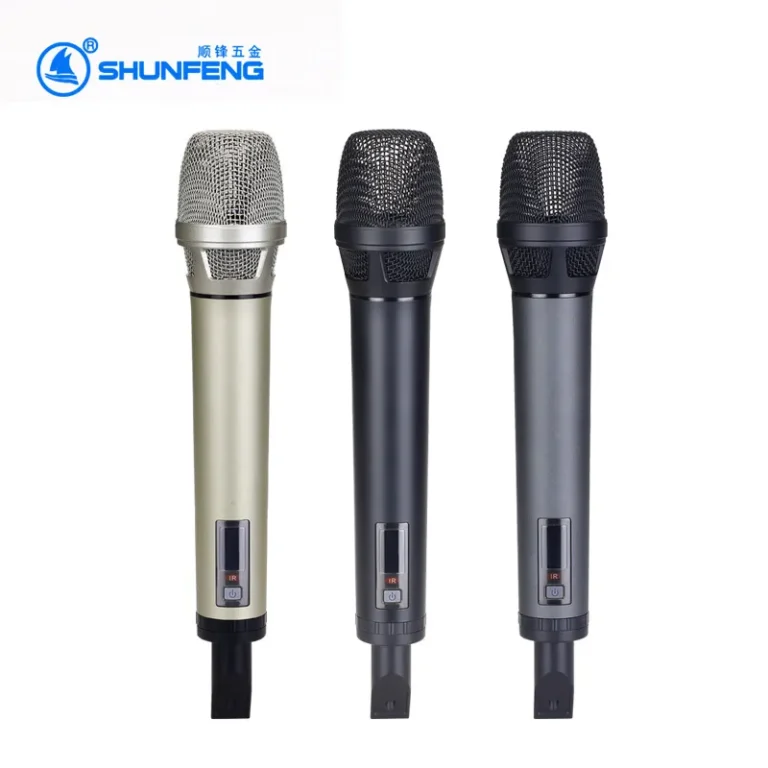
Sourcing microphone components directly from parts manufacturers and then contracting a separate assembly factory is one of the most effective cost-reduction strategies available today. This approach bypasses the markup layers added by intermediary traders, giving buyers direct control over every cost node.
Why Traditional Sourcing Drives Up Costs
Most brands and assembly factories order microphones directly from finished-product suppliers. This seems convenient, but the price you pay already includes the supplier’s profit on raw materials, inventory costs, and multi-tier supply chain management fees.
As order volumes grow, these hidden costs multiply.
Typical cost structure of finished-product sourcing:
- Raw material costs (housing, grille, internal brackets, connectors, etc.)
- Parts supplier profit
- Assembly labor and overhead at the finished-product factory
- Brand premium or MOQ surcharges from the finished-product factory
- Intermediary or agent markup (where applicable)
Every layer stacks profit onto your final purchase price.
Breaking Down the Supply Chain: Starting at the Parts Level
A microphone’s structure isn’t complicated. It’s made up of a few key component categories:
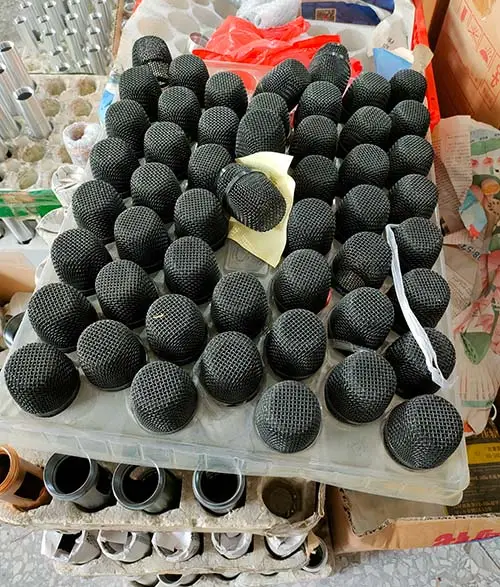
- Housing and grille: typically metal stamping or zinc alloy die casting, with surface treatments including plating, painting, and brushing
- Internal brackets and shock-mount structures: plastic injection-molded or metal parts
- Connector rods and locking components: highly standardized, with transparent pricing
- Packaging accessories: mic clips, pouches, boxes
Price Difference: Itemized Sourcing vs. Bundled Sourcing
Take a standard handheld dynamic microphone housing as an example:
- Bundled purchase from a finished-product factory: the ex-factory price for housing with grille typically includes a 30–50% profit margin built on top of their internal procurement cost
- Direct purchase from a metal stamping factory: the same spec parts can be 20–40% cheaper, depending on order volume and process complexity
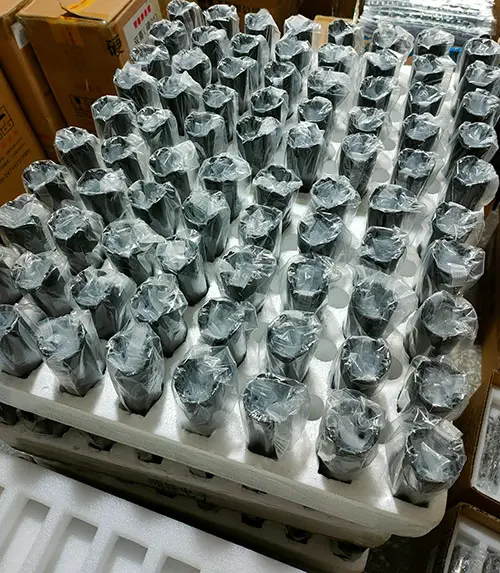
The difference is modest at small quantities, but when monthly volumes reach thousands to tens of thousands of units, the cumulative savings are significant.
How to Build a Direct Parts Sourcing + Contract Assembly Model
Step 1: Define your Bill of Materials (BOM)
Before approaching any supplier, put together a complete BOM that includes:
- Material specs for each part (e.g., zinc alloy or aluminum alloy)
- Surface treatment requirements (plating color, coating thickness)
- Dimensional tolerances
- Estimated quantity per batch
The clearer your BOM, the more accurate the supplier quotes — and the stronger your negotiating position.
Step 2: Find specialized suppliers by component category
Different parts come from different factory types:
- Housing and grille: look for metal stamping or die casting factories with microphone industry experience — they often have existing tooling, which reduces mold costs
- Plastic structural parts: injection molding factories; focus on precision capability and material management
- Standard connectors: can be sourced in bulk through platforms at highly competitive prices
Step 3: Select the right assembly factory
Once parts are ready, contract an assembly factory under a CMT (Cut, Make, Trim) model. Key things to evaluate:
- Experience assembling microphones or similar audio products
- Quality control processes (IQC, IPQC, OQC)
- Whether their MOQ aligns with your planned volumes
- Lead times and production flexibility
Under CMT, you only pay for labor and overhead — raw material costs are entirely under your control.
Step 4: Coordinate logistics and delivery schedules
Distributed sourcing means coordinating delivery timing across multiple suppliers. Recommendations:
- Set safety stock buffers for each component category
- Establish framework agreements with key parts suppliers to lock in pricing and capacity
- Set up a transit warehouse near or in the same city as the assembly factory to reduce transit time losses
A Recommended Option
If you want to simplify the management complexity of sourcing parts from multiple suppliers, Enping Shunfeng Electronice Co. offers a more direct alternative.
Shunfeng can supply a complete microphone housing kit from a single source, covering:
- Grilles
- Housing tubes
- Plastic structural parts
- Standard connectors and internal accessories
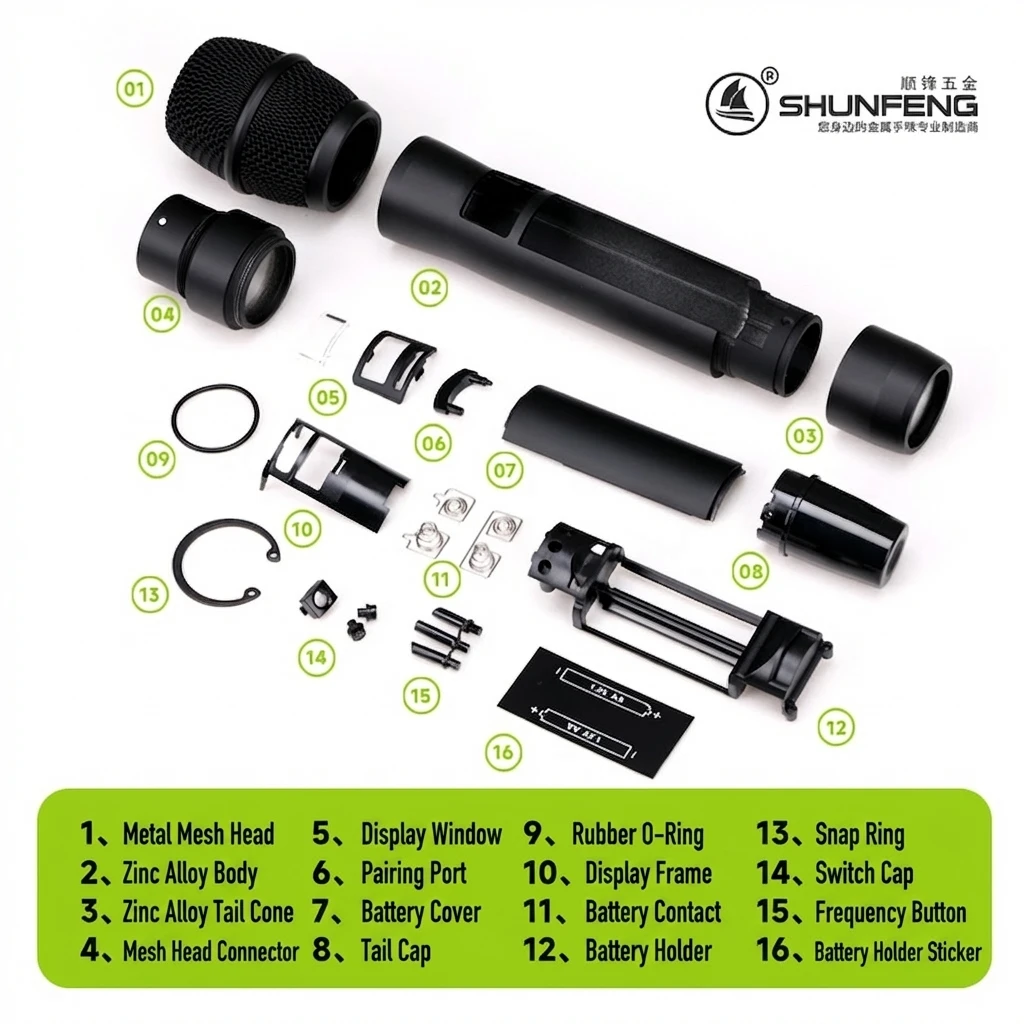
This means you don’t need to manage four or five separate suppliers. One supplier delivers a complete housing kit ready to send directly to the assembly factory, significantly reducing procurement coordination costs.
Worth noting: Shunfeng has maintained long-term working relationships with most assembly factories in the Enping microphone industrial zone. Based on this established rapport, Shunfeng can offer clients a fully managed production model — handling parts preparation, quality confirmation, and coordination with assembly factories for production scheduling. Clients simply confirm specs and inspect finished products.
For buyers who want to move into a direct parts sourcing + contract assembly model but don’t yet have the supply chain management resources to do it themselves, this is a practical transition path.
Who Is This Model Right For?
Not every buyer is suited for this approach. It works best when:
- Monthly purchase volumes are stable and at a meaningful scale (typically 1,000+ units per SKU per month is recommended)
- You have internal or external supply chain management capability
- You have clear product specifications and want more direct quality control
- You’re developing a private label and need to balance cost with differentiation
For buyers with smaller order volumes or frequently changing product lines, sourcing directly from a competitive finished-product supplier remains the more practical choice.
Beyond Cost Savings: Other Advantages of Direct Parts Sourcing
Cost is just one dimension. This sourcing model also delivers:
- Stronger quality traceability: when a problem occurs, you know exactly which part and which supplier is responsible
- Greater customization flexibility: you can adjust specs for specific markets or price points on a per-component basis
- Supply chain transparency: you know where every part comes from, and the impact of raw material price fluctuations is predictable
- Negotiating leverage: when you’re the direct buyer of parts rather than a passive buyer of finished goods, your position at the table is fundamentally different
Final Thoughts
When sourcing microphones in China, price competitiveness isn’t about “finding the cheapest supplier” — it’s about knowing where in the supply chain to enter. The closer you get to the parts manufacturing level, the more direct your control over costs.
This requires more upfront investment in supplier development and management. But for assembly factories and brands operating at meaningful scale, it’s a proven, sustainable path to lower costs.