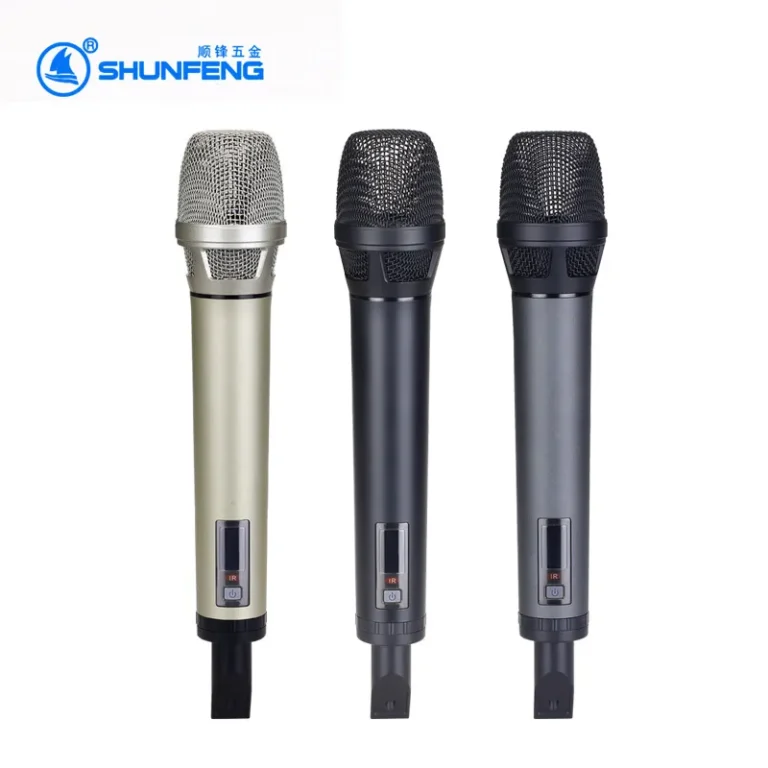
There are two common approaches for handheld/KTV microphone tube body assemblies: aluminum alloy extruded tubing tends to emphasize “light weight and consistency,” while zinc alloy die casting focuses more on “structural integration and a high-gloss electroplated finish.” Selection typically depends on the target weight, appearance requirements (spray coating / electrophoretic coating / electroplating), structural complexity, and mass-production cost.
What types of products are each of the two processes suitable for?
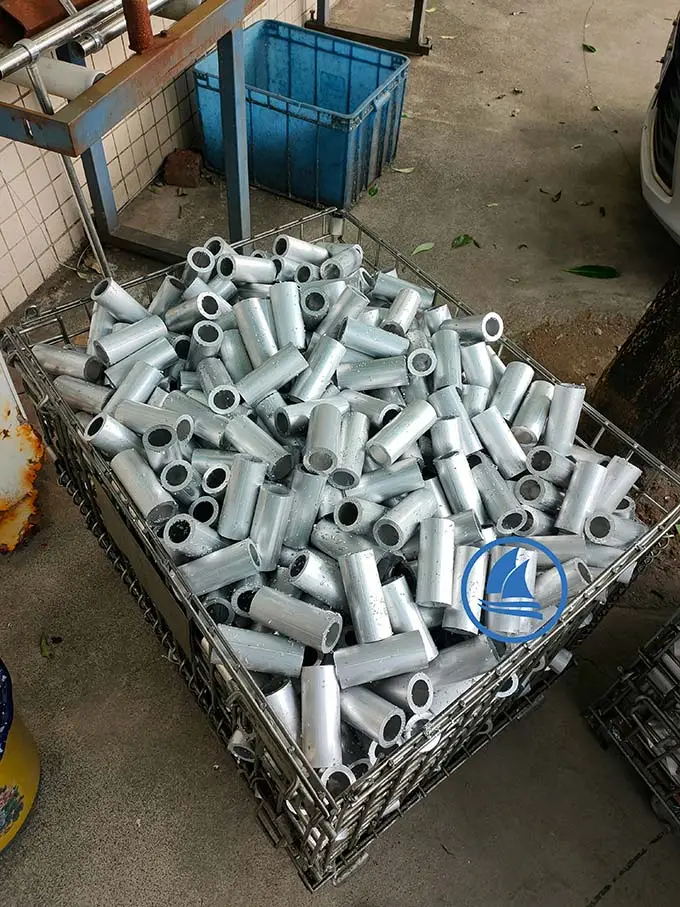
Aluminum alloy extruded tubing is better suited for:
- Lightweight handheld microphones
- Products mainly with a cylindrical form factor and a relatively simple structure
- Applications that prioritize dimensional consistency in mass production and a shorter manufacturing cycle time
Zinc alloy die casting is better suited for:
- KTV microphone housings (typically heavier with a more “substantial-in-hand” feel)
- Designs that require integrated one-piece features such as ribs, steps, locating posts/bosses, and complex curved surfaces
- Applications targeting a high-gloss electroplated finish, e.g., chrome plating or nickel plating for the desired visual effect
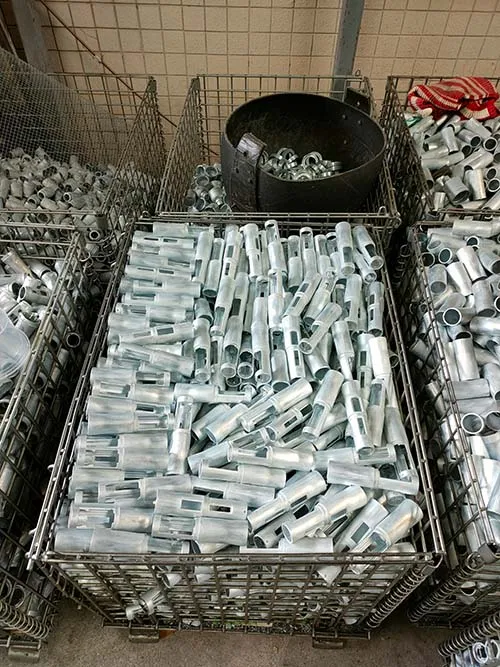
Selection Comparison Table:
| Dimension | Aluminum Alloy Extruded Tube Body | Zinc Alloy Die-Cast Housing |
| Weight & in-hand feel | Lighter | Heavier, more solid/substantial |
| Structural complexity | Best for regular cylindrical tubes + secondary machining | Best for highly integrated, complex structures |
| Finish / appearance options | Commonly powder coating / e-coating; partial plating also possible | Excellent for electroplating; also suitable for powder coating / e-coating |
| Dimensional consistency | Extruded profile is consistent; final accuracy depends on secondary machining | Good consistency from the mold; deformation and flash/burrs must be controlled |
| Tooling & development | Extrusion die + fixtures; faster development cycle | Higher die-casting mold investment; better suited to medium-to-large production volumes |
| Typical applications | Lightweight handheld mic tube body | KTV handheld mic housings, decorative parts |
How surface finishing can drive (in reverse) the choice of base material and manufacturing process
- Target: high-gloss mirror finish (bright metallic look): the most common combination is zinc alloy die casting + an electroplating system.
- Target: matte finish, multiple colors, sweat-resistant tactile feel: a common combination is aluminum extrusion + an e-coating or spray-coating system.
- Target: uniform edge/corner coverage and stable mass production: e-coating (electrophoretic coating) is preferred.
Information recommended to provide during the sourcing/design phase
- 2D drawings (key dimensions, tolerances, threads, hole locations)
- 3D model (if available)
- Appearance standards: color, gloss level, and approved defect/acceptance samples
- Surface finishing: painting / e-coating / electroplating, and the target appearance/effect
- Annual volume / ordering cadence, target unit price range, and packaging requirements