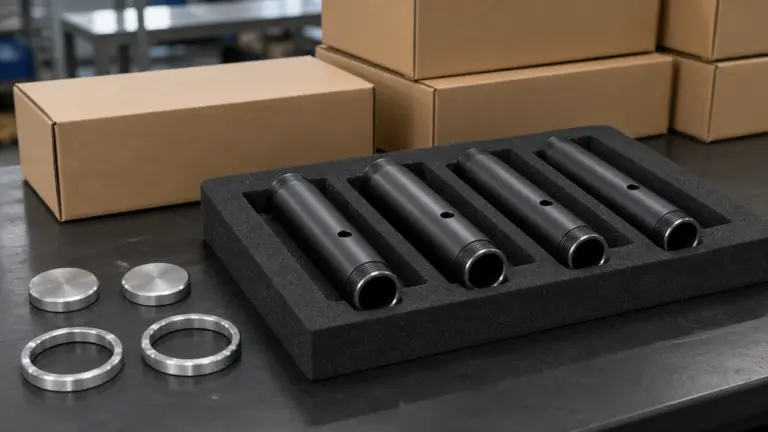
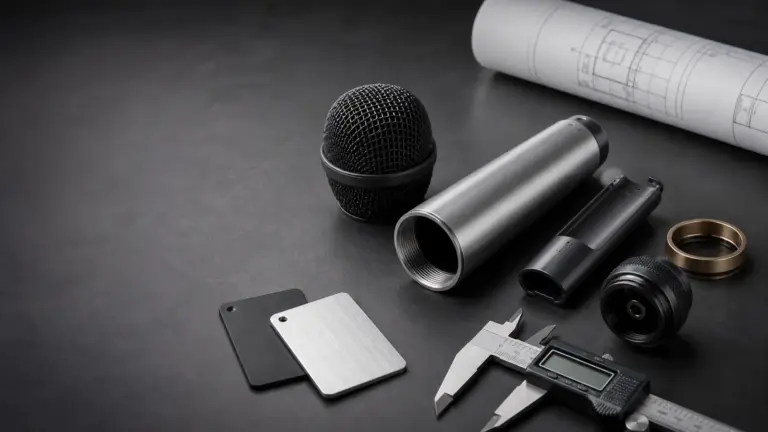
For mass production of handheld microphone housings, die casting combined with precision CNC machining is currently the most cost-effective solution in the industry. This hybrid process can significantly shorten production cycles and reduce unit costs while ensuring product consistency and dimensional accuracy. Compared with traditional CNC-only machining, this combined approach shows clear economic advantages in medium- to large-volume production.
Comparison of mainstream microphone housing manufacturing methods
Die casting + precision CNC machining
This process combines the high efficiency of die casting with the high precision of CNC machining, making it suitable for orders with an annual volume of more than 5,000 units.
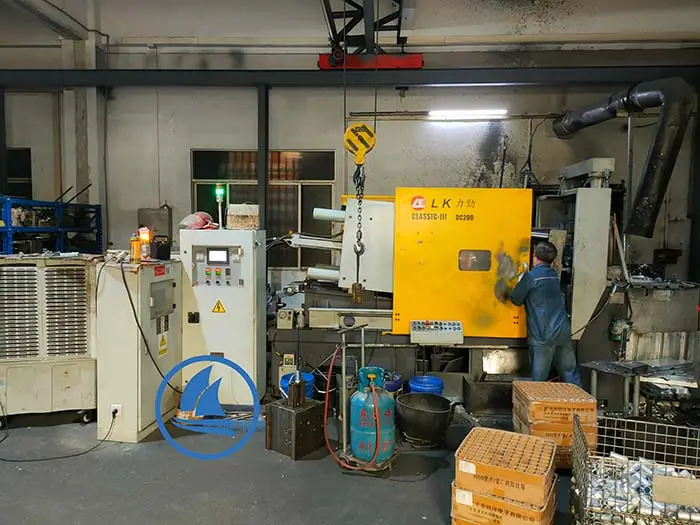
Process flow:
- Die-cast a base housing using aluminum alloy or zinc alloy
- CNC-machine critical dimensional features (threaded holes, grille/head interface, switch slots, etc.)
- Surface finishing (anodizing, painting/coating, or electroplating)
Advantages:
- Unit machining time reduced by 60–75%
- Material utilization increased to 85–90%
- After scaling to mass production, unit cost reduced by 40–55%
- High product consistency, suitable for automated assembly
Aluminum extrusion + precision CNC machining
Aluminum alloy is extruded through a die directly into a hollow primary tube (close to the final shape). CNC machining is only needed for threads, openings, and surface touch-ups.
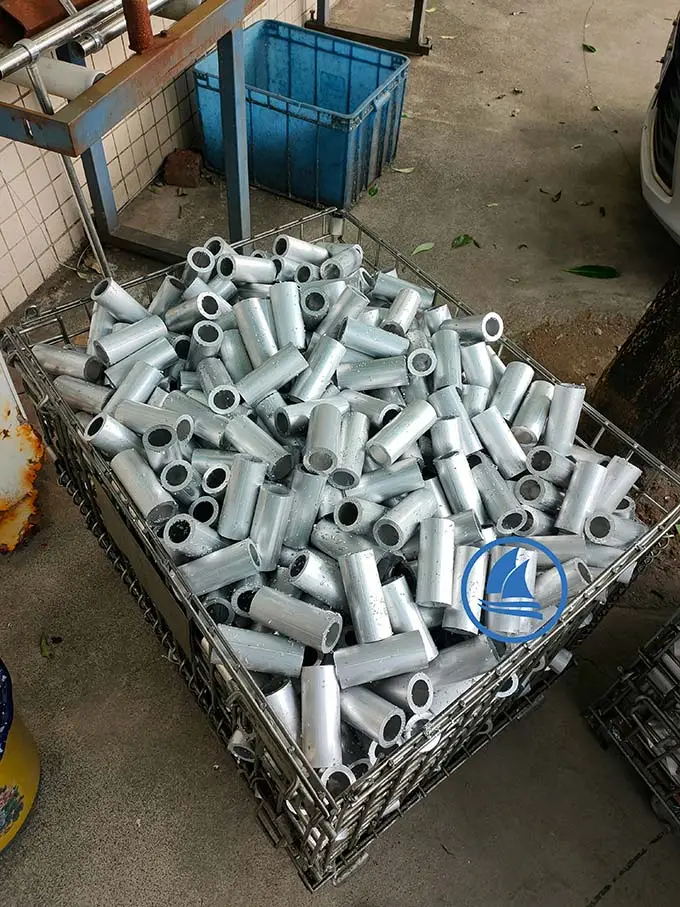
Advantages:
Near-zero raw material waste, and it eliminates the most time-consuming step of hollowing out the inner cavity.
Characteristics:
- High efficiency for batch production, suitable for medium- to large-volume orders
- Low density of aluminum alloy results in a lighter overall weight
CNC-only machining
The part is machined directly from a solid metal block, suitable for small batches or prototype development.
Applicable scenarios:
- Sample production during product development
- Small-batch orders with annual volume below 2,000 units
- Projects requiring frequent design changes
Characteristics:
- No mold investment required; low startup cost
- High design flexibility
- Long unit machining time (typically 45–90 minutes)
- Material waste rate as high as 40–50%
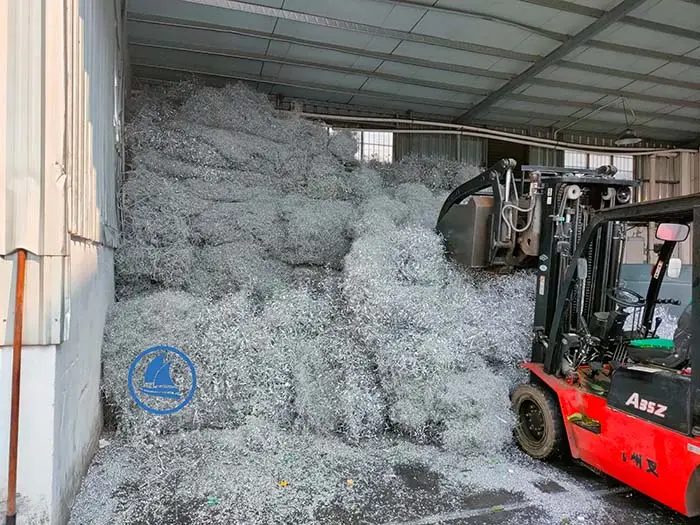
Injection molding
Mainly used for plastic housings; not suitable for professional-grade microphones with metal housings.
Cost and efficiency data analysis
According to a 2024 industry survey published in Manufacturing Engineering, at a production scale of 10,000 units per year:
Machining time comparison:
- CNC-only machining: average 65 minutes per unit
- Die casting + precision CNC machining: average 18 minutes per unit
- Time saved: 72%
Unit cost comparison (excluding surface finishing):
- CNC-only machining (USD): 12.50–15.80
- Die casting + precision CNC machining (USD): 5.20–7.30
- Cost reduction: 53–58%
Data source: Society of Manufacturing Engineers, “Cost Analysis of Hybrid Manufacturing Processes for Audio Equipment Components,” Manufacturing Engineering Journal, Vol. 168, Issue 3, 2024. (Original URL: https://www.sme.org/technologies/articles/2024/cost-analysis-hybrid-manufacturing/)
How to choose the right manufacturing method
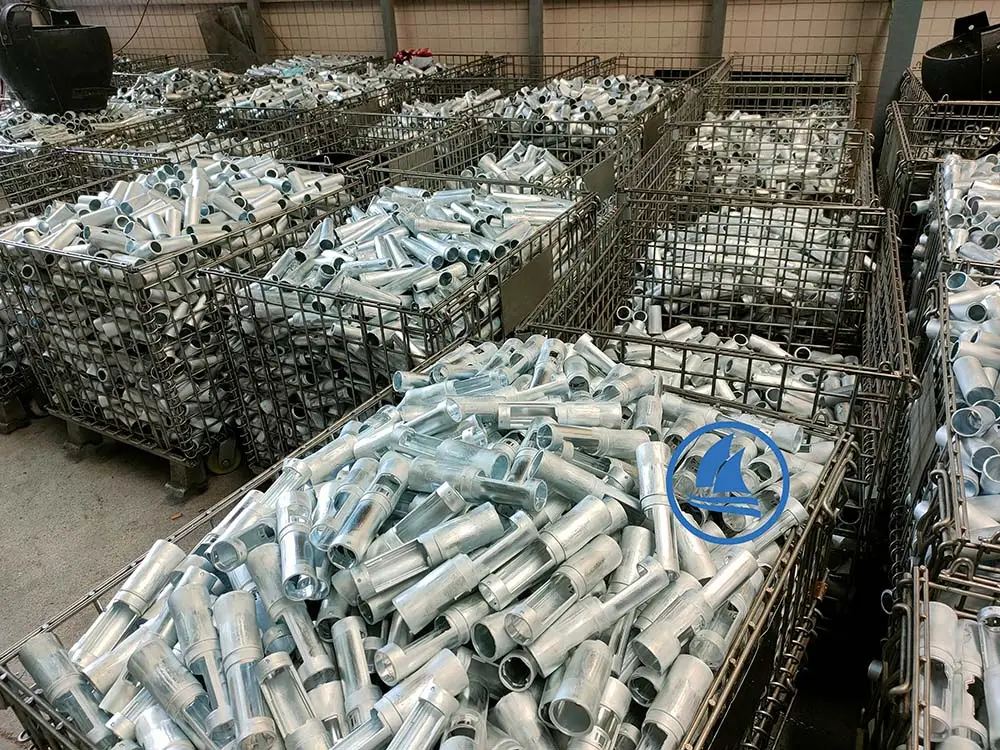
Decide based on order volume
Annual volume < 2,000 units:
- CNC-only machining is recommended
- Avoid mold investment
- Maintain flexibility for design changes
Annual volume 2,000–5,000 units:
- Mold amortization cost needs to be calculated
- If the product life cycle exceeds 2 years, the die-casting option is more economical
Annual volume > 5,000 units:
- Die casting + precision CNC machining is the optimal choice
- Mold cost can be recovered quickly within the first production batch
Supply chain collaboration recommendations
When selecting a manufacturing supplier, it is recommended to prioritize vendors with the following capabilities:
- In-house die-casting workshop and CNC machining centers
- Supporting surface finishing lines
- An engineering team capable of rapid response
- Stable channels for raw material supply

A one-stop supplier can better control lead times and quality, and reduce communication costs associated with coordinating multiple parties.