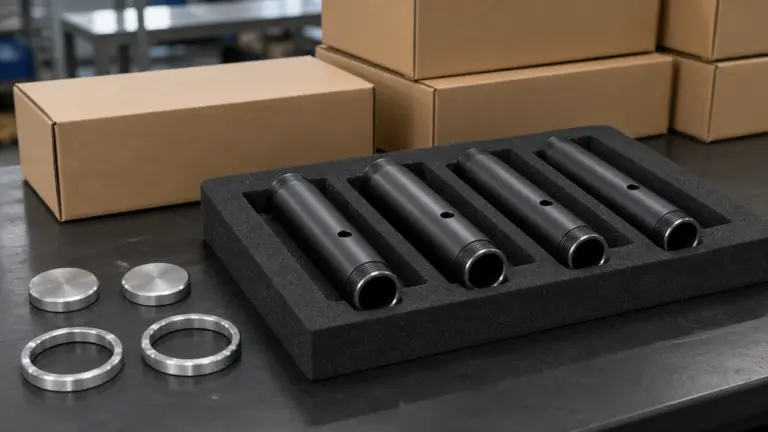
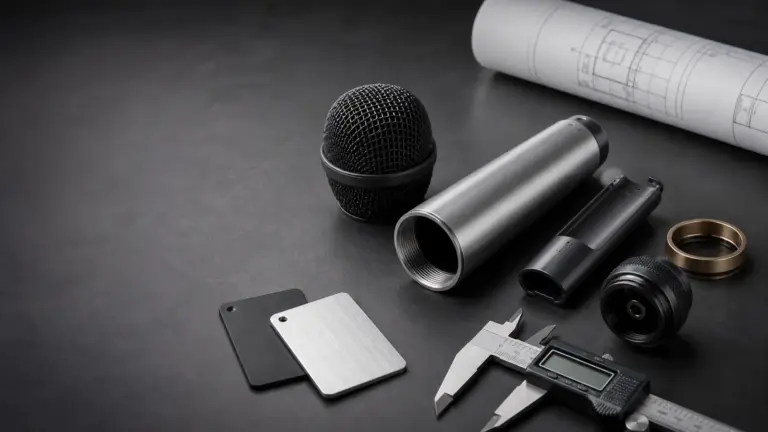
The surface treatment process for microphone tubes directly determines product appearance, corrosion resistance, and service life. For the two mainstream tube materials—zinc alloy and aluminum alloy—the four common processes of anodizing, electrophoresis, powder coating, and nickel/chrome plating differ significantly in cost structure, suitable applications, and performance. Selecting the wrong process not only compromises product quality but also drives up defect rates and rework costs.
Why Is Choosing the Right Surface Treatment Process So Important?
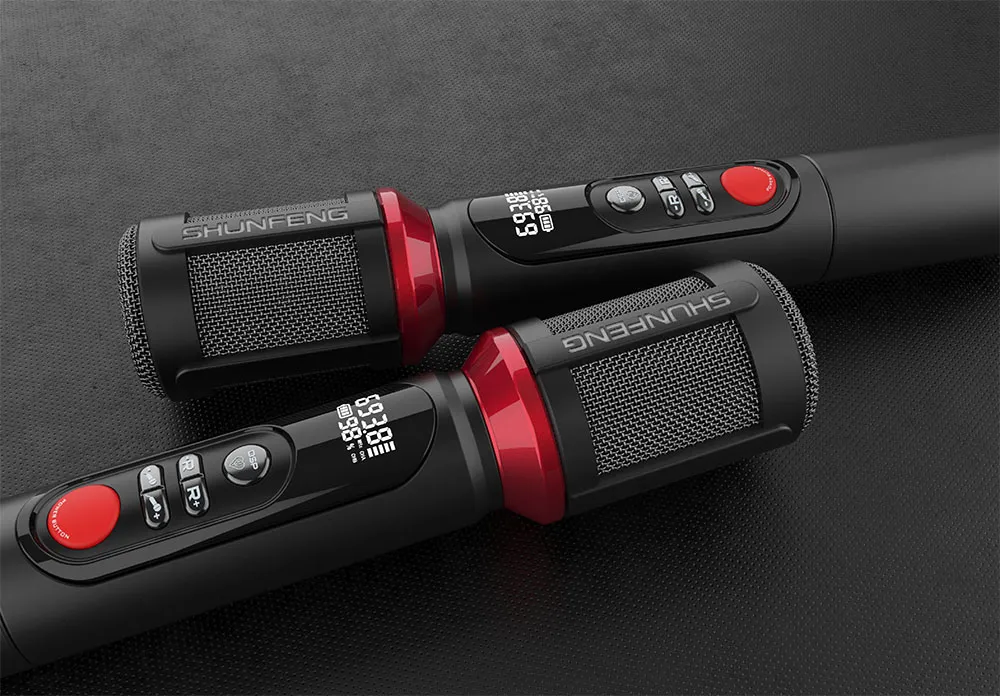
Handheld microphone tubes face multiple challenges in actual use:
- Frequent handling and friction: Performers and hosts hold the microphone for extended periods, making surface wear resistance directly impact appearance retention.
- Sweat and mild acidic corrosion: Human sweat has a pH of approximately 4.5–6, creating continuous corrosive pressure on metal surfaces
- Drops and impacts: Field use scenarios require sufficient adhesion between the coating and substrate
- Brand visual consistency: Color uniformity and gloss stability in mass production affect brand image
When selecting a process, substrate compatibility, production efficiency, environmental compliance, and target market appearance expectations must all be considered simultaneously.
Overview of Four Mainstream Surface Treatment Processes
1. Anodizing
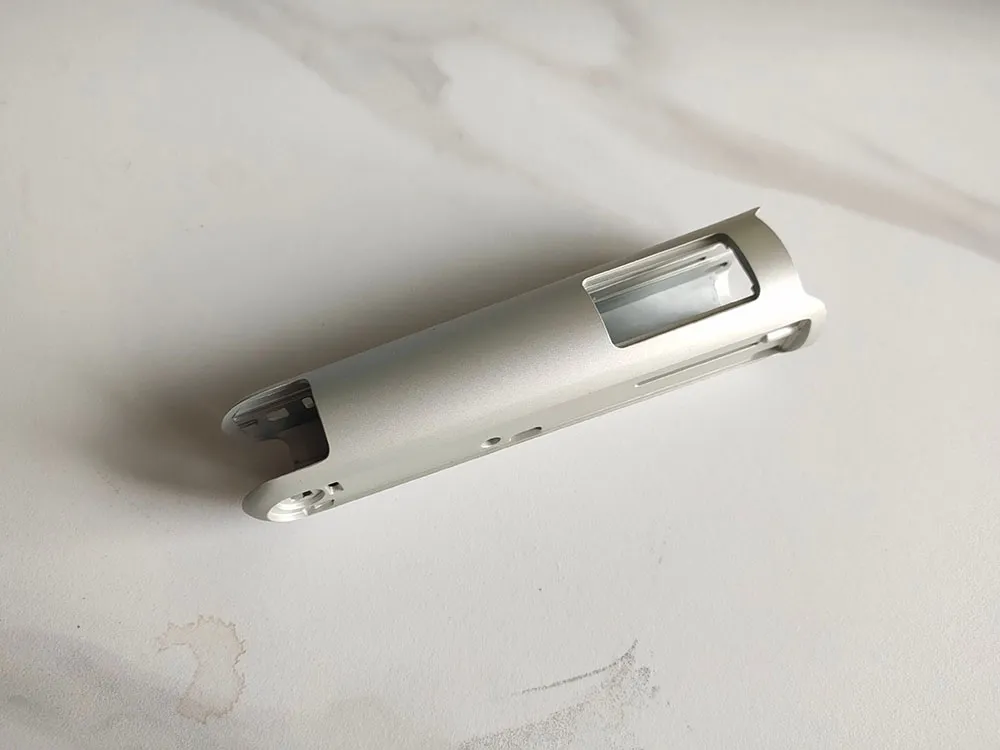
Anodizing is an aluminum alloy-specific process that forms a dense aluminum oxide (Al₂O₃) layer on the aluminum surface through an electrochemical reaction. This oxide layer grows from the material itself rather than being deposited on the surface, resulting in an exceptionally strong bond with the substrate.
Process Characteristics:
- Oxide film thickness typically ranges from 5–25 μm (decorative grade) to 25–125 μm (hard anodizing)
- Various colors can be achieved through dyeing, but the color range is limited by the aluminum alloy grade
- The surface retains a metallic texture, with matte or satin finishes favored by professional users
- Not suitable for zinc alloys—zinc in the alloy corrodes in anodizing electrolyte and cannot form a film
Applicable Scenarios:
- Professional performance-grade microphones with aluminum alloy bodies
- Products requiring lightweight construction with high wear resistance
2. Electrophoretic Coating / E-Coat
Electrophoretic coating uses a DC electric field to uniformly deposit charged paint particles onto conductive substrates, forming a consistent organic coating film. This process provides excellent coverage on complex geometries, effectively protecting internal cavities and tube seams.
Process Characteristics:
- Coating thickness is uniform, typically 15–25 μm
- Compatible with zinc and aluminum alloys, offering strong versatility
- Environmentally friendly water-based system with low VOC emissions
- Limited color selection, predominantly black and dark tones
- Excellent corrosion resistance, achieving 500–1000+ hours in neutral salt spray testing (NSS)
Applicable Scenarios:
- Zinc alloy tubes requiring uniform black or dark coating finishes
- Tube assemblies where internal wall corrosion resistance is critical
3. Powder Coating

Powder coating uses electrostatic spray application to deposit solid powder particles onto metal surfaces, followed by high-temperature curing (typically 160–200°C) to form a film. The coating is relatively thick with excellent coverage, making it ideal for products requiring large-area color application.
Process Characteristics:
- Coating thickness typically ranges from 60–100 μm, significantly thicker than e-coating and anodizing
- Extensive color selection with customizable texture effects (matte, orange peel, etc.)
- Compatible with zinc and aluminum alloys
- High-temperature curing may pose slight deformation risk for zinc alloys; process parameters require careful control
- Excellent weather resistance and chemical resistance
Applicable Scenarios:
- Consumer-grade or customized products requiring special colors or texture effects
- Budget-conscious projects with high aesthetic requirements
4. Nickel Plating / Chrome Plating
Electroplating deposits metal ions onto substrate surfaces through electrolytic reduction. Nickel plating typically serves as an undercoat or final decorative layer; chrome plating is divided into decorative chrome (thin chrome, approximately 0.25–0.5 μm) and hard chrome (thick chrome, for industrial wear resistance). Microphone tube applications primarily use decorative plating.
Process Characteristics:
- Nickel plating: Coating thickness approximately 5–20 μm, provides silver-white luster with good wear resistance
- Chrome plating: Typically applied over nickel layer to achieve high-gloss mirror finish, high hardness (HV 800–1000)
- Compatible with both zinc and aluminum alloys, though aluminum requires additional pretreatment (zincate treatment)
- Hexavalent chrome plating is strictly regulated under RoHS and REACH; trivalent chrome processes are the current compliant alternative
- Relatively high cost with stringent wastewater treatment requirements
Applicable Scenarios:
- Professional or vintage-style microphones with classic silver/mirror finish
- Flagship products requiring high surface hardness and metallic luster
Comprehensive Performance Comparison of Four Processes
The following table is compiled from industry-standard technical specifications. Data represents typical performance ranges under standard process conditions; actual results may vary depending on supplier process capabilities.
| Comparison Dimension | Anodizing | Electrophoretic Coating | Powder Coating | Nickel/Chrome Plating |
|---|---|---|---|---|
| Applicable Substrates | Aluminum alloy (dedicated) | Zinc alloy / Aluminum alloy | Zinc alloy / Aluminum alloy | Zinc alloy / Aluminum alloy |
| Coating Thickness | 5–25 μm | 15–25 μm | 60–100 μm | Nickel 5–20 μm / Chrome 0.25–0.5 μm |
| Surface Hardness (HV) | 200–400 (hard anodizing can exceed 1000+) | 2H–3H (pencil hardness) | H–2H | Nickel 200–400 / Chrome 800–1000 |
| Neutral Salt Spray Test (NSS) | 500–1000 h | 500–1000 h+ | 500–1000 h | Nickel 200–500 h / Chrome 500 h+ |
| Color Variety | Moderate (limited by aluminum grade) | Limited (predominantly dark tones) | Extremely rich | Limited (metallic color range) |
| Surface Appearance | Metallic matte / satin | Uniform matte / semi-gloss | Customizable texture | High-gloss mirror finish |
| Environmental Compliance | Excellent (VOC-free) | Excellent (water-based, low VOC) | Good (solvent-free during curing) | Challenging (hexavalent chromium restricted) |
| Unit Cost Reference | Moderate | Low to moderate | Low to moderate | Medium to high |
| Batch Consistency | High | High | Medium to high | High (when process is stable) |
Material-Based Selection: Different Approaches for Zinc Alloy vs. Aluminum Alloy
Zinc Alloy Tube Bodies
Zinc alloys (such as Zamak 3, Zamak 5) offer high density and molding precision, making them the traditional mainstream material for handheld microphone tube bodies. Surface treatment logic is as follows:
- Preferred: Electrophoretic coating – Uniform coverage with excellent protection for recessed structures and seams in zinc alloy; prioritize for black-finish products
- Powder coating : Practical choice when diverse color options are needed; note the impact of high-temperature curing parameters on thin-walled components
- Nickel/chrome plating : Standard approach for classic silver finishes; mature process requiring strict wastewater treatment and compliance management
- Not recommended Anodizing, Technically not feasible
Aluminum Alloy Tube Body
Aluminum alloys (such as 6061-T6 and 6063) have a density of about one-third that of zinc alloys, making them a trending material in recent years for high-end and lightweight products.
- Preferred: Anodizing — the most compatible with this material, offering excellent wear resistance and a strong metallic texture; this is the mainstream choice for professional performance-grade microphones.
- Electrophoretic Coating : also suitable, ideal for aluminum alloy products that require a uniform dark appearance.
- Powder Coating : optional, suitable for applications that require colored or textured finishes.
- Nickel/Chrome Plating : technically feasible, but requires additional zincate pretreatment; costs are higher, so it is used relatively less often.
Details Often Overlooked in Actual Procurement
1. Pretreatment Quality Determines the Final Result
Regardless of which process is selected, the quality of pretreatment (degreasing, rust removal, and surface conditioning) often has a greater impact on coating adhesion than the coating process itself. When evaluating suppliers, the level of standardization in their pretreatment workflow is a key assessment point.
2. Coating Thickness Uniformity and Tolerance Fit
There are dimensional tolerance requirements for assembling the tube body with components such as the grille and end tube. Powder coating (60–100 μm) may affect assembly at threaded and mating surfaces, so appropriate tolerances should be reserved during the design stage.
3. Environmental Compliance Trends Are Reshaping Process Selection
Restrictions on hexavalent chromium in the EU market are becoming increasingly stringent, and North American and Southeast Asian markets are following suit. Replacing hexavalent chromium with trivalent chromium, and replacing traditional solvent-based coatings with electrophoretic coating, are visible industry trends. It is recommended to plan for these shifts early in new product development.
4. Process Consistency Between Small-Batch Sampling and Mass Production
Some processes (such as electrophoretic coating) are difficult to accurately simulate at the small-batch sampling stage. During process validation, it is advisable to require suppliers to provide mass-production samples from the same production line, rather than dedicated prototype samples.
Recommended Process Routes for Different Product Positioning
| Product Positioning | Recommended Substrate | Recommended Process | Core Rationale |
|---|---|---|---|
| Professional Performance Grade (Flagship) | Aluminum Alloy | Anodizing | High wear resistance; metallic aesthetic aligns with professional positioning |
| Classic Silver Appearance (Professional / Vintage) | Zinc Alloy | Nickel Plating + Decorative Chrome | Iconic appearance; mature and well-established process |
| Mass Consumer Grade (Color Variants) | Zinc Alloy / Aluminum Alloy | Powder Coating | Rich color options; cost-effective and controllable |
| All-Black Unified Appearance (OEM / ODM) | Zinc Alloy / Aluminum Alloy | Electrophoretic Coating | Uniform coverage; strong environmental compliance advantages |
| Lightweight Product Line | Aluminum Alloy | Anodizing / Electrophoretic Coating | Balances weight advantage with appearance requirements |
Core Logic of Process Selection
Back to the most practical question: there is no “best” surface treatment process—only the process that is “most suitable for the current product positioning and market demand.”
When making decisions, it is worth prioritizing clarification of the following points:
- Whether the base material is zinc alloy or aluminum alloy — this directly rules out some incompatible options
- The target market’s appearance expectations — mirror gloss, matte metallic texture, or colored coating
- Environmental regulatory requirements in the target sales market — especially the EU RoHS/REACH restricted substance lists
- Annual procurement volume and supplier process stability — small-volume/multi-model and large-volume/single-model scenarios require different process capabilities
If you are planning process routes for a new product line, or looking to improve the current surface treatment solution of existing products, we can provide more targeted recommendations based on specific tube-body drawings and target markets.