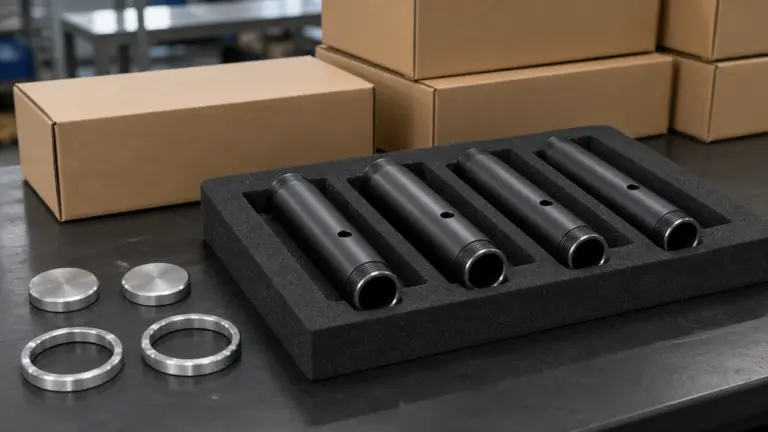
In 2026, raw material prices for both aluminum and zinc came under upward pressure, directly driving up the per-unit manufacturing cost of aluminum-alloy and zinc-alloy microphone housings. For microphone assemblers and brand owners working on annual procurement budgets or supplier negotiations, this shift cannot be judged by intuition alone—it needs to be assessed with data.
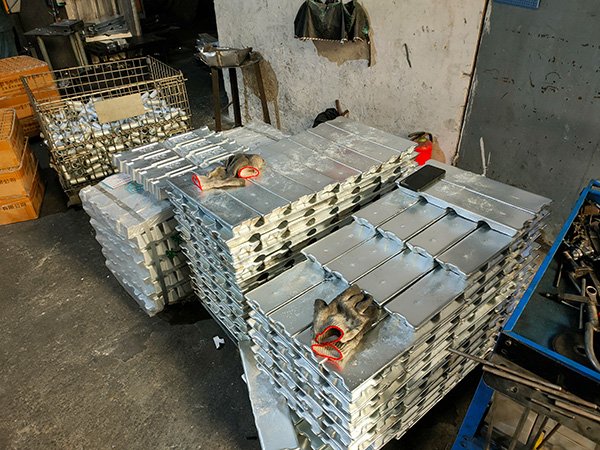
Aluminum Alloy Prices: Supply Tightening Coupled with Tariff Pressure
Key Drivers of Aluminum Prices in 2026
In its Commodity Markets Outlook, the World Bank forecasts that aluminum prices will rise by about 21.6% in 2026–2027, and notes that current upward market pressure has already exceeded its original forecast range. [source:Alcircle,https://www.alcircle.com/news/world-banks-21-6-aluminium-price-forecast-faces-upward-pressure-amid-tight-market-118280]
The main factors driving this round of aluminum price increases are as follows:
- Rising energy costs: Aluminum smelting is highly energy-intensive. Higher electricity prices in Europe and parts of Asia have directly pushed up production costs.
- Clean energy demand growth: Demand for aluminum in sectors such as new energy vehicles and photovoltaic panels continues to rise, creating competition with traditional industrial uses.
- Low inventory levels: LME aluminum inventories remained near historical lows in the second half of 2025, with a clear spot premium, signaling tight near-term supply.
[source:Kitco News,https://www.kitco.com/news/off-the-wire/2026-04-17/aluminum-crisis-war-tariffs-and-market-running-empty]
[source:Wood Mackenzie,https://www.woodmac.com/news/opinion/reassessing-the-short-term-global-aluminium-outlook-amid-rising-market-risk/]
Specific impact on the unit price of 6061 aluminum alloy CNC Microphone Housings:
6061 aluminum alloy is the most commonly used material for handheld microphone housings, and its cost structure is roughly as follows:
- Raw materials (aluminum billets/ingots): account for approximately 30%–40% of total cost.
- CNC machining time: approximately 35%–45%.
- Surface treatment (anodizing/sandblasting): approximately 10%–15%.
- Other (packaging, management, profit): approximately 10%–15%.
For a standard handheld microphone upper tube (about 160 mm long, 33 mm outer diameter), the aluminum usage per unit is about 80-120g.With an aluminum price increase of 21.6%, the estimated raw material cost increase is about USD 0.15-0.25 per piece.
But the real impact goes beyond raw material alone. Rising aluminum prices also increase anodizing chemical costs (some chemicals are based on aluminum-derived inputs). Overall, for a standard 6061 aluminum CNC microphone housing, the unit price is expected to increase by about USD 0.30-0.60 in 2026, corresponding to roughly 5%–12%, depending on product complexity and order volume.
Zinc alloy prices: Oversupply exists, but cost support remains.
Market Structure of Zinc Prices in 2026
Zinc shows a markedly different pattern from aluminum. The global refined zinc market is expected to remain in surplus in 2026, which to some extent limits significant upside in prices. [source:The Metalnomist,https://www.metalnomist.com/2026/01/global-refined-zinc-market-surplus-set.html]
However, according to SMM (Shanghai Metals Market), the long-term contract price for zinc ingots in 2026 has been raised compared with 2025, and smelters are actively seeking export channels amid a domestic supply surplus. [source:SMM/metal.com,https://news.metal.com/newscontent/103702194/future-price-trend-insights-2026-zinc-ingot-long-term-contract-price-summary-smm-analysis]
Key Variables Influencing Zinc Price Trends in 2026:
- Continued decline in zinc concentrate treatment charges (TC): Tight mine supply is pushing up smelters’ raw material costs, providing downside support for zinc prices.
- Surging exports of die-casting zinc alloy: China’s die-casting zinc alloy exports hit a 10-year high in 2025, and the export landscape is still adjusting in 2026.
- Demand-side divergence: Automotive die-casting demand remains resilient, while growth in consumer electronics-related die-casting demand is slowing.
Specific impact on the unit price of zinc-alloy die-cast Microphone Housings
The cost structure of zinc-alloy die-cast housings differs significantly from that of CNC-machined aluminum alloy housings:
- Raw materials (zinc alloy ingots): account for approximately 45%–55% of total cost (zinc alloy has a higher density, so the material weight per unit is much greater than that of aluminum parts).
- Die-casting mold amortization: approximately 5%–10% (negligible in large-volume production).
- Die-casting processing labor time: approximately 20%–30%.
- Surface treatment (electroplating/spraying): approximately 10%–15%.
Zinc alloy has a density about 2.5 times that of aluminum alloy. For housings of the same volume, the material weight of a zinc part is about 2.5 times that of an aluminum part. This means that every small fluctuation in raw material price has a magnified impact on zinc-alloy housings.
Take a standard handheld microphone lower tube (zinc-alloy die-cast, weighing about 180–250 g) as an example:
- If zinc prices remain in the current range (about USD 2,600–2,800/ton), the raw material cost is approximately USD 0.47–0.70 per unit.
- If zinc prices rise to around USD 3,000/ton, the raw material cost will increase by about USD 0.05–0.08 per unit.
Taking into account higher processing fees and electroplating cost pass-through, the unit price of zinc-alloy die-cast microphone housings is expected to increase by USD 0.20–0.40 in 2026, representing a rise of about 3%–8%.
Cost Comparison of the Two Processes and Procurement Recommendations
Comparison of Per-Unit Cost Changes in 2026
| Shell Type | Typical Unit Price Range (USD) | Estimated Price Increase in 2026 | Main Price Drivers |
|---|---|---|---|
| 6061 Aluminum Alloy CNC Housing | 4.5-9.0 | +5%-12% | Rising aluminum prices, energy costs, tariffs |
| Zinc Alloy Die-Cast Housing | 3.5-7.0 | +3%-8% | Zinc price fluctuations, rising processing costs |
Note: The above price ranges are based on a standard handheld microphone housing (upper tube + lower tube), with an MOQ of 500–2,000 units, and exclude tooling costs. Actual quotations may vary depending on product structure, surface finishing process, and order volume.
Cost Control Strategies
- Place orders 3–4 months in advance to give factories sufficient time to procure raw materials.
- Require the factory to break down raw material costs and processing costs in the quotation sheet, so that subsequent price reviews are easier.
- Monitor monthly trends in LME aluminum and zinc prices, and use SMM (Shanghai Metals Market) and World Bank commodity reports as benchmark references.
Our position:
As a factory with 20 years of experience in microphone casing manufacturing, ENPING SHUNFENG ELECTRONICE CO., LTD would like to share a few practical approaches we use in raw material sourcing:
- We maintain long-term partnerships with multiple aluminum rod and zinc alloy ingot suppliers, and we smooth cost fluctuations through bulk purchasing and forward price locking.
- For clients with larger annual purchase volumes, we can offer a quarterly price protection agreement to keep quotations stable within the agreed period.
Will aluminum alloy microphone casings also increase by more than 20% if aluminum prices rise by more than 20%?
Generally, no. That’s because the unit price of the housing also includes processing, surface finishing, mold amortization, inspection, packaging, and other costs. When aluminum prices rise by about 20%, the impact on the final unit price of common aluminum alloy microphone housings is typically around 3%–8%.
The zinc prices have risen less than aluminum prices, why is the cost pressure on zinc alloy housings still significant?
Because zinc alloys are denser, a single part usually weighs more than an aluminum alloy part. Even if zinc prices rise less than aluminum prices, the increase in material cost per unit can still end up being close to that of aluminum alloy housings when calculated by input weight per piece.。
How can brand owners reduce procurement risks for housings in 2026?
It is recommended to control weight and wall thickness during the design stage, confirm surface treatment yield, and establish a metal price linkage mechanism with suppliers. For long-term orders, aluminum and zinc price changes can be reviewed quarterly instead of renegotiating each time.
For microphone projects in 2026, which is more suitable: aluminum alloy or zinc alloy?
If the project prioritizes lightweight design, an anodized appearance, and the hand feel of wireless microphones, aluminum alloy is more suitable. If the project prioritizes die-casting, a heavier feel, and electroplating effects, zinc alloy still has advantages. When selecting materials, you should evaluate target cost, appearance, weight, drop-test performance, and assembly structure together.
What housing and accessory support can ENPING SHUNFENG ELECTRONICE CO., LTD provide?
Based on customer drawings or samples, we can provide one-stop supply of components such as mesh grilles, housing tubes, lens covers, buttons, end caps, connectors, and battery holders.